
热门搜索: 疑犯追踪
女帝
Is the rapid growth of China’s emerging industries driven by industrial subsidies?: People’s Daily_我的网站

A | 我们时常会在中国的社交媒体上看到导游强迫游客消费的新闻,万万没想到的是,在中国游客最喜爱的出国游目的地之一、法律严明的旅游城市新加坡,也发生了这样的事……前段时间,一组由20多名中国游客组成的旅游团表示,由于他们拒绝购买旅游巴士司机出售的纪念品,被抛弃在新加坡路边。 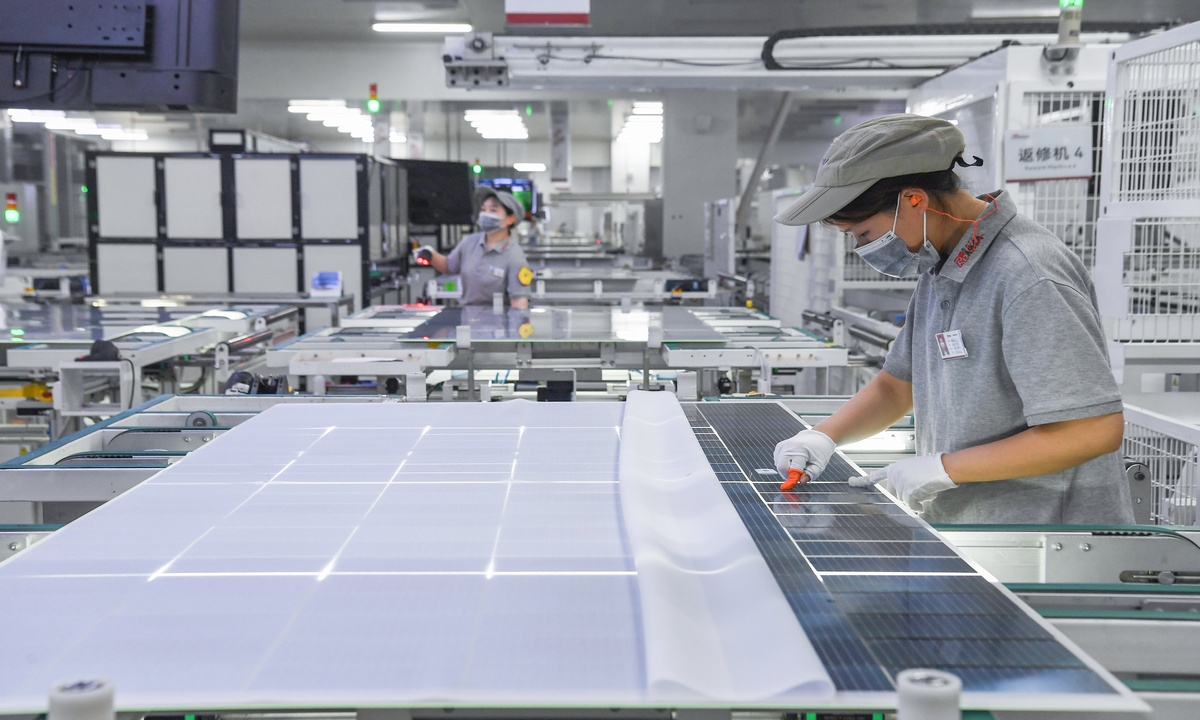
China saw robust exports in electric vehicles (EV), lithium batteries and photovoltaic products, known as the "new three," in the first half of this year. More notably, robotics, artificial intelligence (AI) and innovative drugs, which represent the future direction of industrial development, are also emerging as new calling cards for China's foreign trade.
However, the impressive performance provoked unease among some Western media outlets and politicians. Some have deliberately portrayed China's rapid industrial development and strong competitiveness as a result of government subsidies, pushing the false claim that subsidies have created overcapacity and those low-priced Chinese products are flooding global markets. Such fallacies, which simply equate industrial subsidies with overcapacity, are not only logically flawed but also factually groundless.
In practice, many countries adopt industrial policies tailored to their national conditions and development needs, such as providing research and development (R&D) subsidies for emerging industries and risk related subsidies for agriculture.
Well-designed industrial subsidies can help address market failures, promote technological innovation and environmental protection, reduce poverty and support balanced development, rather than cause so called "overcapacity."
Multiple reports by the United Nations Conference on Trade and Development have noted that the number of industrial policies worldwide has grown rapidly over the past five years, with R&D subsidies, tax incentives and low interest loans for emerging industries becoming common international practices.
Forcibly linking industrial subsidies to "overcapacity" is, in essence, a political manipulation based on double standards. The US, for example, plans to provide $750 billion in various subsidies from 2022 to 2031 under its Inflation Reduction Act. Subsidized EVs are subject to requirements such as production and sales in the US or North America, effectively excluding other WTO members. US industrial subsidies for AI are even greater than those of all other countries combined.
Similarly, according to incomplete statistics, the European Commission is expected to provide more than 1.44 trillion euros ($210 billion) in various subsidies between 2021 and 2030. The EU's Industrial Accelerator Act links local content directly to financial support through "Made in EU" requirements, creating serious investment barriers and institutional discrimination.
Have these massive subsidies been labeled as causing "overcapacity"? The answer is no. While claiming that China's industrial subsidies lead to so-called overcapacity, these countries are themselves providing massive subsidies to their own industries. Such double standards amount to selective accusations targeting China, aimed at politicizing trade and economic issues and weaponizing industrial policy.
At a deeper level, accusations that "China's industrial subsidies cause overcapacity" are merely a pretext, reflecting growing anxiety and fear over the rising competitiveness of Chinese industries.
Looking back at the repeated hype in Western media, the criticism has consistently targeted China's most globally competitive industries, including new-energy vehicles, photovoltaics and power batteries. This exposes the real intention of shifting the blame for their own lagging industrial development onto China while stepping up restrictions against Chinese industries.
China's breakthroughs in these industries have been driven by advances in homegrown technologies, complete industrial and supply chains, and robust market competition, rather than by policy subsidies as some have claimed.
In recent years, China has taken multiple steps to regulate and improve its subsidy policies, from reviewing and correcting inappropriate local subsidies to exploring a unified negative list mechanism for local fiscal subsidies. China applies subsidies equally to all market entities, including foreign invested enterprises, strictly follows WTO rules, and continues to improve the compliance, effectiveness and transparency of its subsidy policies.
Rather than fabricating and hyping baseless claims about subsidies and obsessing over building trade barriers, certain Western media outlets and politicians should focus on addressing their own weaknesses and increasing investment in research and development. They should embrace healthy market competition with an inclusive mindset, promote mutual benefit through greater openness, and win markets and drive progress through genuine innovation.
This was compiled and translated by the Global Times English edition based on an article published in the "Chisu Jinsheng" economic commentary column of the People's Daily on August 10, 2026.
。在一段时长1分49秒的视频中,可以看到一群中国游客正在与一名巴士司机争吵。他们还站在路边,身边放着自己的行李。在视频里,疑似旅行团成员的抖音网友“Wei Da Piao Liang”讲述了事情的经过。该网友表示,他们还遭到了巴士司机的侮辱和咒骂,司机卸下他们的行李后开车离开,留下他们一车人在路边。据本地媒体报道,事件于2024年8月16日中午12点左右发生在跑马埔路(Race Course Road)一带。当时这群游客正在参观寺庙,这是他们为期10天的东南亚国家之旅的一部分,行程中包括新加坡、马来西亚和泰国。这次旅行是由一家中国旅行社安排的。该网友还在视频中表示,他们这个旅行团刚开始只有15个人。抵达新加坡后,他们的旅行团与另一个旅行团合并了,人数达到了20多人。

B |
司机在车上卖纪念品
网友表示,午餐前,旅游大巴司机在车上售卖纪念品,但旅行团的反响并不如他预期。之后,旅行团下车去吃午餐。
C | 当一名女游客想要回到车上取高血压药物时,司机拒绝让她上车,还说中国人不愿意花钱。视频截图 司机最后还是打开了车门,但却撞到了一名游客。旅行团成员对此感到非常愤怒,但司机拒绝道歉。他卸下了所有游客的行李,然后开车离开了。
旅游团滞留四小时
整车人被困在路边。“我们想报警,但导游威胁我们。”一名游客说道。另一位网友在视频下评论说,她知道旅行团会出售纪念品,但不会强迫他们购买,对于这个旅行团的遭遇她表示不满。
D | 事发现场旁一名37岁的餐厅老板表示,旅行团是在他的餐厅用餐的。他的餐厅的部分生意就来自这样的旅游团,那天,他的员工听到了餐馆外面的一阵骚动。尽管不知道发生争执的原因,餐厅的工作人员还是向游客提供了饮料和茶点,以安抚他们,防止他们打扰其他就餐者。他说,在滞留了4小时后,旅游团乘坐另一辆来接他们的巴士离开了。示意图 一名70岁的司机在8月20日驾驶旅游巴士前往事发的同一地区,他在接受本地媒体采访时认出视频中的司机是自己的同事。这位司机表示,旅游巴士司机确实会尝试出售每件价值几新元的纪念品,但绝不会强迫游客购买。他补充说,旅游巴士司机谋生很困难,他们没有小费,而且还必须搬运沉重的行李。
新加坡旅游局正在调查此事
新加坡旅游局发言人表示,目前正在与所有相关方联系,对这起事件进行彻底调查。
E | 发言人说:“作为新加坡旅行社的监管机构,我们强调所有持牌人都必须履行职责。

F | ”图源:STB 发言人补充说,新加坡旅游局不会容忍任何不尊重游客或将游客置于危险之中的行为,并会毫不犹豫地对不良行为采取行动。“新加坡游客的安全和健康至关重要,我们致力于维护新加坡作为所有游客的安全与热门目的地的声誉。”
游客已返回中国
中国驻新加坡大使馆证实,大使馆于8月16日中午12点49分接到一名中国赴新加坡旅游团成员的举报。了解情况后,大使馆敦促游客寻求紧急医疗救助,并提醒他们依法享有的权利。大使馆还向他们提供了本地警方的联系电话和旅游热线。示意图在联系该团的导游和当地旅游联络人员后,另一辆车被派去接回中国游客。事发第二天,该旅行团就按原计划前往马来西亚,并于8月19日返回中国。在新加坡发生这样的事情,也是活久见了。
G | 后续将会如何处理?让我们拭目以待吧。
Current article:http://mp4.tandianxiuzhutiaoshoudiamei.pics/list_jdazq/e7c9.html
Published on:08:15:03
栏目相关
- 首轮融资狂揽超9亿美元!小鹏机器人爆火:估值已超63亿美元
- 数据库中的Intel10NM Ice Lake处理器:512KB二级缓存,高达68EU核心
- 儿童·游戏·质量–记京深交流活动圆满举办
- 50余位港澳院校毕业生到访青岛 探寻智能制造等领域发展机遇,50余位港澳院校毕业生到访青岛 探寻智能制造等领域发展机遇
- 倪光南院士称中国自研芯片应在RISC-V上押宝以抓住时代机遇
- 永子为媒 棋连两岸
- 去哪儿网1万3千元机票航前病退却因平台操作,拖延申请、错用授权码谎称航司拒退
- SKhynix淘宝旗舰店下架所有产品,宣告9月上旬终止经营
- WAIC 上那个 “ 埋头造铲子 ” 的摩尔线程,才是真狠人
- 钱大妈门店数突破3000家 受到加盟商和消费者认可,钱大妈门店数突破3000家 受到加盟商和消费者认可
- Arun Matheswaran Wraps Schedule of DC With Lokesh Kanagaraj and Wamiqa Gabbi
- 全系标配倍适登EDC减震器 岚图FREE+将于6月底开启预售
热门排行
- 《It: Welcome to Derry Season 2》获续订,将讲述布拉德利帮大屠杀事件
- Intel Core i9-9990Xe曝光:频率高达5.0GHz,仅用于拍卖
- 华森制药:收到药品再注册批准通知书
- 世体:利瓦科维奇正在接受巴萨体检,转会费200万+200万欧元
- 财政部:财政金融协同促内需政策已经优化完善 8月1日起实施,财政部:财政金融协同促内需政策已经优化完善 8月1日起实施
- PM to review work on National Maritime Heritage Complex
- 硕士生签约管理岗,入职被安排打螺丝
- 汛期未过 防汛不可松懈
- 火车通勤者请注意,接下来七周这条线要大延误
- 官方:加拿大中场内森·萨利巴加盟黄潜,据悉转会费1500万欧
- 科隆展中国游戏杀疯了!外媒惊叹国产含量超多
- 马穆谈自己选择54号球衣:我是第54顺位被选中